
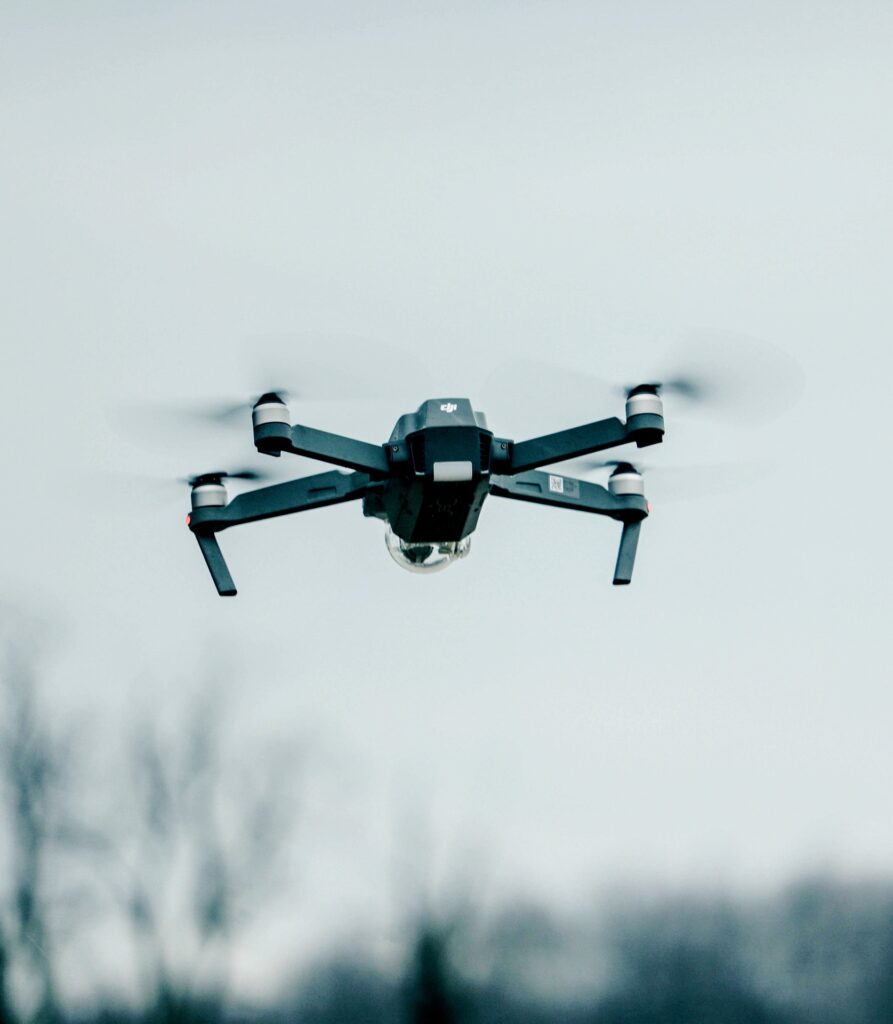
The U.S. Army’s inaugural Best Drone Warfighter Competition marks a major shift in how the service trains, evaluates, and integrates unmanned systems across the force. Held in Huntsville, Alabama, the event brought together Active Duty, Reserve, and National Guard Soldiers to compete in challenges designed to test technical skill, tactical judgment, and combat integration.
Rather than highlighting individual achievement, the competition represents a broader institutional commitment: the Army is formalizing drone operations as a core warfighting skill, similar to Best Ranger, Best Sniper, and Best Sapper competitions.
Why the Competition Matters
The modern battlefield is increasingly shaped by small, agile, and lethal unmanned aircraft systems. The Army’s competition reflects several strategic priorities:
Preparing Soldiers for drone‑saturated battlefields where unmanned systems support reconnaissance, targeting, and strike missions
Standardizing drone proficiency across Active Duty, Reserve, and National Guard formations
Identifying training and doctrinal gaps to refine how the Army develops drone operators
Accelerating innovation as Soldiers demonstrate new tactics, techniques, and procedures under pressure
Army leadership emphasized that the event reveals “the skill sets we need to improve upon” as the service expands drone integration across formations.
What the Competition Tested
The three‑day event included multiple lanes designed to simulate real combat conditions. These challenges assessed:
Technical Drone Operation
Launching, flying, and recovering drones
Navigating obstacles
Maintaining situational awareness
Conducting precision maneuvers
Tactical Employment
Reconnaissance and target identification
Hunter/Killer mission execution
Integrating drone feeds into squad‑level tactics
Operating under stress and time pressure
Combat Integration
Coordinating with ground forces
Supporting fires and maneuver
Providing overwatch and early warning
These tasks mirror real‑world missions in Ukraine, the Middle East, and other modern conflict zones.
A Litmus Test for the Army’s Drone Future
Event partners described the competition as a “litmus test for the U.S. military in an ever‑evolving world.” This reflects the Army’s recognition that:
Drones are now core battlefield assets, not niche tools
Every formation—from infantry squads to artillery units—will rely on unmanned systems
Training pipelines must scale rapidly to meet global threats
The competition helps validate whether current training produces skilled, adaptable drone operators capable of supporting global missions.
The Role of T2COM in Modernization
The event was supported by the Army’s Transformation and Training Command (T2COM), which is responsible for modernizing how Soldiers learn and fight.
The competition aligns with T2COM’s goals:
Transforming training to match modern threats
Accelerating adoption of unmanned systems
Developing Soldiers who can innovate under pressure
Integrating drones into every echelon of the force
This is part of a broader modernization effort that includes robotics, autonomy, AI‑enabled targeting, and multi‑domain operations.
Why This Program Is Strategically Important
The Best Drone Warfighter Competition is more than a contest — it is a strategic investment in the Army’s future.
Building a Professional Drone Operator Community
Just as Best Ranger shaped elite infantry culture, this competition helps define excellence in drone operations.
Driving Innovation From the Bottom Up
Soldiers often discover new tactics during competition that later influence doctrine and training.
Preparing for Drone‑Heavy Warfare
Future conflicts will rely heavily on:
Small reconnaissance drones
Loitering munitions
Swarm tactics
Counter‑drone operations
This competition trains Soldiers for that reality.
Strengthening Combined Arms Integration
Drone operators must work seamlessly with infantry, armor, artillery, and aviation — skills tested throughout the event.
Long‑Term Impact on the Army
Launching this competition signals several long‑term trends:
Drone proficiency will become a baseline Soldier skill
Every unit will field more unmanned systems, from platoon to division level
Training pipelines will expand, incorporating lessons from competitions like this
Future events will likely include AI‑enabled systems, counter‑drone missions, and swarm operations
The inaugural event lays the foundation for a broader transformation of how the Army fights.
Conclusion
The Best Drone Warfighter Competition is not about one Soldier — it is about the Army’s commitment to building a force capable of dominating the unmanned battlespace. By testing technical skill, tactical judgment, and combat integration, the program strengthens readiness and accelerates modernization.Building the Future of Military Drone Operators