
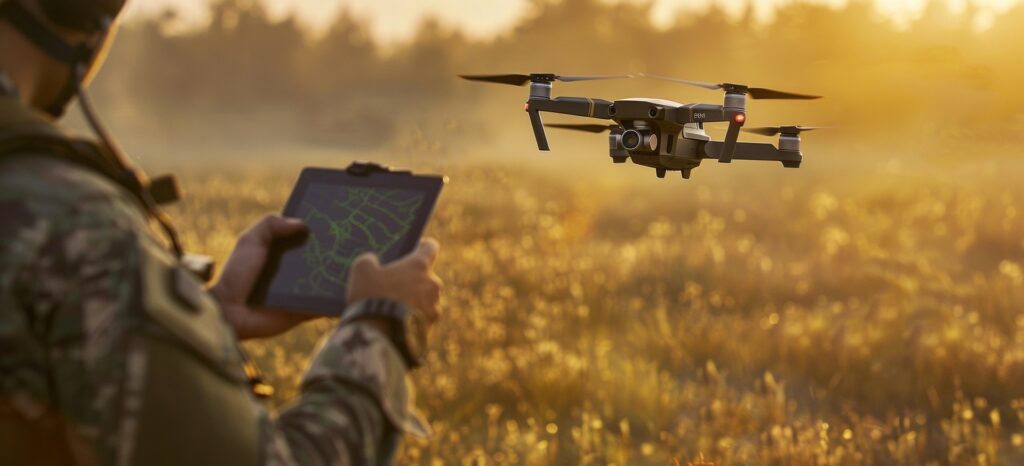
How Ukraine’s Drone War Is Reshaping the U.S. Army
Ukraine’s battlefield innovations have forced militaries worldwide to rethink how they train, equip, and deploy drone operators. The U.S. Army is now adopting many of these lessons, especially the DIY, soldier‑driven approach that has defined Ukraine’s drone success. At the Army’s first Best Drone Warfighter Competition, leaders encouraged Soldiers to design, build, modify, and 3D‑print their own drones, mirroring the rapid, improvisational tactics seen in Ukraine.
This shift reflects a broader transformation: drone operators are no longer just pilots—they are innovators, engineers, tacticians, and problem‑solvers.
Why the Army Is Embracing DIY Drone Innovation
Army officials stated that Ukraine’s success with low‑cost, rapidly modified drones demonstrated the value of grassroots, soldier‑level innovation. At the competition, Soldiers were encouraged to bring their own custom builds, test modifications on‑site, and share techniques across units.
This approach helps the Army:
Identify emerging talent
Understand what skills top operators possess
Learn which innovations Soldiers are already creating in the field
Scale successful ideas across the entire force
One Army partner described the event as a talent hunt, designed to reveal “what makes a top drone pilot.”
What the Competition Revealed About Top Drone Operators
The Best Drone Warfighter Competition tested more than flying ability. It evaluated:
Technical Skill
Precision flight
Obstacle navigation
FPV (first‑person‑view) control
Drone recovery and maintenance
Tactical Judgment
Reconnaissance
Target identification
Hunter‑killer missions
Integrating drone feeds into squad tactics
Innovation Ability
Designing or modifying drones
3D‑printing components
Adapting commercial drones for military use
Creative problem‑solving under pressure
The Army used the competition to study what kind of innovation is happening at the soldier level and how to scale it across formations.
What Does It Take to Be an Army Drone Operator?
The Army now sees drone operators as multi‑disciplinary warfighters. Based on Army documentation and operator requirements, the role blends technical, tactical, and cognitive skills.
Core Requirements
Strong ASVAB technical scores
Ability to obtain a Secret security clearance
Passing a Class IV flight physical
Strong spatial awareness and hand‑eye coordination
Technical Abilities
Operating unmanned aircraft systems (UAS)
Understanding sensors, cameras, and targeting systems
Basic electronics and troubleshooting
Familiarity with 3D printing and rapid prototyping
Tactical Competence
Reading terrain and understanding battlefield movement
Integrating drone intel into mission planning
Supporting reconnaissance, surveillance, and strike missions
Innovation Mindset
Modifying drones for mission needs
Rapid problem‑solving
Adapting commercial tech for military use
Learning from Ukraine’s improvisational tactics
This combination of skills is why the Army is expanding drone roles across MOS 15W (UAV Operator), 15X (TUAS Specialist), and emerging FPV‑focused positions.
Opportunities for Soldiers Interested in Drones
The Army is rapidly increasing drone‑related opportunities due to lessons from Ukraine and the growing importance of unmanned systems.
Enlisted Pathways
15W – Unmanned Aerial Vehicle Operator
15X – Tactical Unmanned Aircraft System Specialist
Infantry, Cavalry, and Armor roles now integrating FPV drones
New experimental drone teams in armored brigades and reconnaissance units
Specialized Programs
Drone innovation labs
FPV racing and training lanes
DIY drone workshops
Best Drone Warfighter Competition
Future Opportunities
AI‑enabled drone operations
Swarm control
Counter‑drone operations
Electronic warfare integration
The Army is rewriting doctrine to incorporate these roles, driven heavily by Ukraine’s battlefield lessons.
Why This Matters for the Future of Warfare
Ukraine demonstrated that small drones—especially cheap, soldier‑modified FPV drones—can:
Destroy armored vehicles
Provide real‑time intelligence
Support infantry movement
Conduct precision strikes
Overwhelm enemy defenses
The U.S. Army is adapting quickly, recognizing that future conflicts will rely heavily on:
DIY drone innovation
Rapid prototyping
Soldier‑level creativity
Distributed drone swarms
Low‑cost, high‑impact unmanned systems
The Soldiers who can build, fly, adapt, and innovate will define the next generation of drone warfare.