
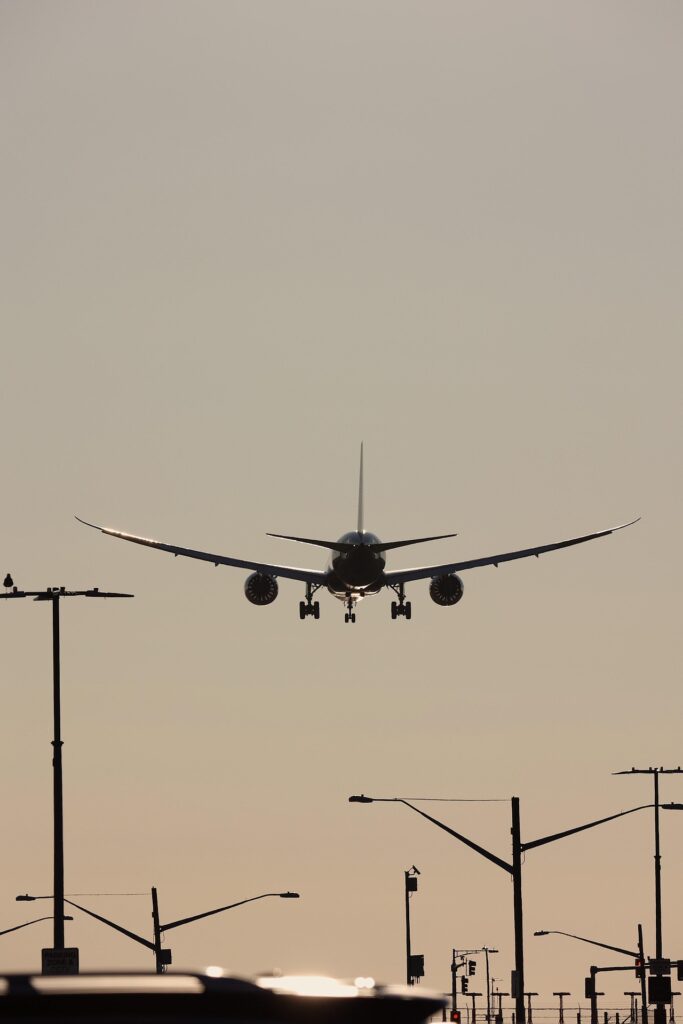
Across Europe, mysterious drones have been appearing at night near airports, military bases, and critical infrastructure — sparking widespread concern among NATO countries. While these drones are unarmed, their presence has raised fears of surveillance, probing, and hybrid warfare tactics linked to Russia’s ongoing conflict with Ukraine.
These sightings come at a time when Europe is already grappling with the threat of long‑range attack drones used in Ukraine, prompting urgent discussions about a continent‑wide defensive “drone wall.”
A Growing Pattern of Drone Incursions
Recent months have seen a surge in drone activity across Europe:
Drones spotted near airports in Belgium, Denmark, Norway, Sweden, Germany, and Lithuania
A major incident in Poland, where drones forced the closure of four airports
NATO jets scrambled to intercept incoming drones
Debris scattered across multiple regions
These incursions represent one of the most serious breaches of NATO airspace since Russia’s full‑scale invasion of Ukraine.
Western intelligence officials suspect the drones are part of a Russian hybrid warfare campaign, potentially launched by proxies or from ships near European coastlines.
Why These Drones Are So Concerning
Unlike the explosive attack drones used in Ukraine, the drones appearing across Europe are:
Unarmed
Anonymous
Often short‑range
Difficult to trace
Potentially used for surveillance or disruption
Their presence near airports poses a direct risk to civilian aircraft, while sightings near military bases and power plants raise fears of reconnaissance or probing of defenses.
Belgium is considered a high‑value target due to:
NATO headquarters
The European Union
Euroclear, a financial clearing house handling trillions in transactions
The UK has already deployed RAF counter‑drone specialists to Belgium to help bolster defenses.
Europe’s Proposed “Drone Wall”
In response to these incursions, European leaders are discussing a large‑scale defensive system — a multi‑layered “drone wall” stretching from the Baltic states to the Black Sea.
The system would integrate:
Radars
Sensors
Jamming systems
Hard‑kill interceptors
Air defense networks
EU foreign policy chief Kaja Kallas says the system could be operational by 2027, though experts warn the timeline is ambitious.
Security analysts note that while a drone wall could improve detection and response, it will not be a “silver bullet.” The sheer size of Europe’s eastern flank and the rapid evolution of drone technology make complete protection impossible.
The Challenge of Stopping Drones
Experts describe a wide range of counter‑UAS tools:
Detection Methods
Acoustic sensors
Airborne radars
Ground‑based radars
Optical and infrared systems
Neutralization Methods
Soft kill: jamming, GPS disruption
Hard kill: missiles, gunfire, lasers, fighter jets
But each method has limitations. Lasers are promising but not yet the “wonder weapon” some imagine. Jamming works, but only against certain drone types. Missiles are effective but expensive.
The biggest challenge is scale: a swarm of hundreds or thousands of drones could overwhelm even the best defenses.
A New Drone Arms Race
As Europe strengthens its defenses, drone technology continues to evolve rapidly. Experts warn that:
Every new counter‑drone system triggers new offensive adaptations
Defense systems risk becoming outdated quickly
Hybrid warfare tactics will continue to exploit gaps
This dynamic has created a fast‑moving arms race in the drone domain.
Some analysts argue that Europe must not only defend against drones but also deter the actors behind them, making clear that such incursions carry consequences.
Conclusion
The rise of mysterious drone activity across Europe highlights a new era of security challenges. While these drones are not armed, their presence near airports, military bases, and critical infrastructure signals a troubling shift in hybrid warfare tactics.
As Europe debates the creation of a continent‑wide drone wall, one thing is clear: the threat environment is evolving faster than traditional defenses can adapt. The coming years will require unprecedented coordination, investment, and innovation to protect European airspace from both known and unknown drone threats.