
A Sudden Shutdown Over Texas
A Pentagon laser system accidentally shot down a U.S. Border Patrol drone near Fort Hancock, Texas, triggering an FAA airspace shutdown and exposing growing tensions in America’s drone‑security strategy. The incident highlights the risks of counter‑drone weapons, cartel drone activity, and gaps in federal coordination.
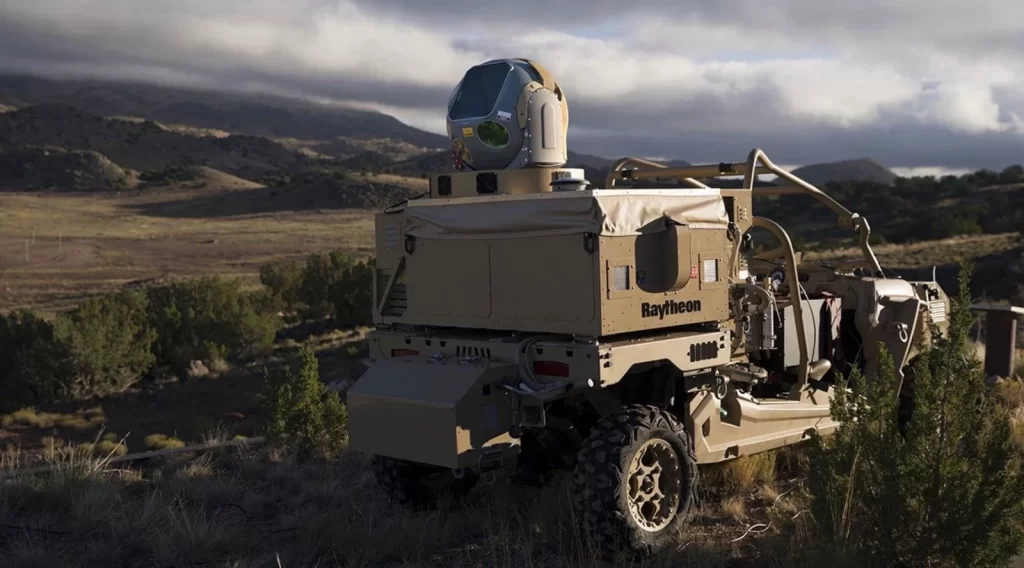
The skies over Fort Hancock, Texas, went quiet on February 26, 2026, after the U.S. military used a high‑energy laser to shoot down what it believed was a threatening drone — only to discover it belonged to U.S. Customs and Border Protection. The FAA responded by restricting flights in the area, marking the second airspace closure in Texas that month.
Lawmakers expressed frustration, saying their “heads are exploding” over repeated shutdowns tied to counter‑drone operations.
A Border Already Crowded With Drones
The region near El Paso is a hotspot for cartel‑operated drones used for surveillance and smuggling. This environment has pushed the Pentagon to test increasingly advanced counter‑drone systems, including lasers capable of disabling drones within seconds.
The mistaken shootdown shows how easily friendly drones can be caught in the crossfire.
When Counter‑Drone Tech Collides With Civilian Airspace
The Pentagon, FAA, and CBP issued a joint statement confirming that the military acted under presidential authority to counter drone threats from cartels and foreign terrorist organizations. The FAA expanded temporary flight restrictions around Fort Hancock “for special security reasons.”
This was the second laser‑related airspace closure in two weeks. Military protocols require notifying the FAA before any counter‑drone action inside U.S. airspace — a step that appears to have broken down.
Why This Incident Matters
The Texas shutdown is more than a one‑off accident. It reveals deeper tensions shaping the future of drone operations in the United States.
Criminal Drones Are Getting More Sophisticated
Cartels increasingly use drones for surveillance, drug transport, and evading law enforcement. This forces U.S. agencies to respond with stronger defensive tools — and raises the stakes for mistakes.
Counter‑Drone Weapons Are Becoming More Powerful
High‑energy lasers, radio‑frequency jammers, and interceptor drones are now part of the national security toolkit. But these systems require precise coordination to avoid unintended consequences, especially near populated areas.
Agencies Are Struggling to Coordinate
The Texas incident exposed gaps between the Pentagon, CBP, and the FAA. When communication breaks down, even a controlled defensive action can trigger emergency airspace closures.
The Future of Drone Security Is Already Here
The FAA’s temporary flight restriction around Fort Hancock was extended through June 24, 2026 — a sign of how seriously the government is treating the issue.
As drone use expands across industries, and as hostile actors adopt more advanced tactics, the U.S. will face increasing pressure to modernize its airspace rules. That includes:
- clearer communication protocols between agencies
- stricter enforcement of drone regulations
- expanded Remote ID requirements
- new standards for when and how counter‑drone systems can be used
The Texas laser incident is a preview of the challenges ahead — and a reminder that the future of airspace security will depend on how well technology, policy, and coordination keep pace with one another.